
 By Muntaha farid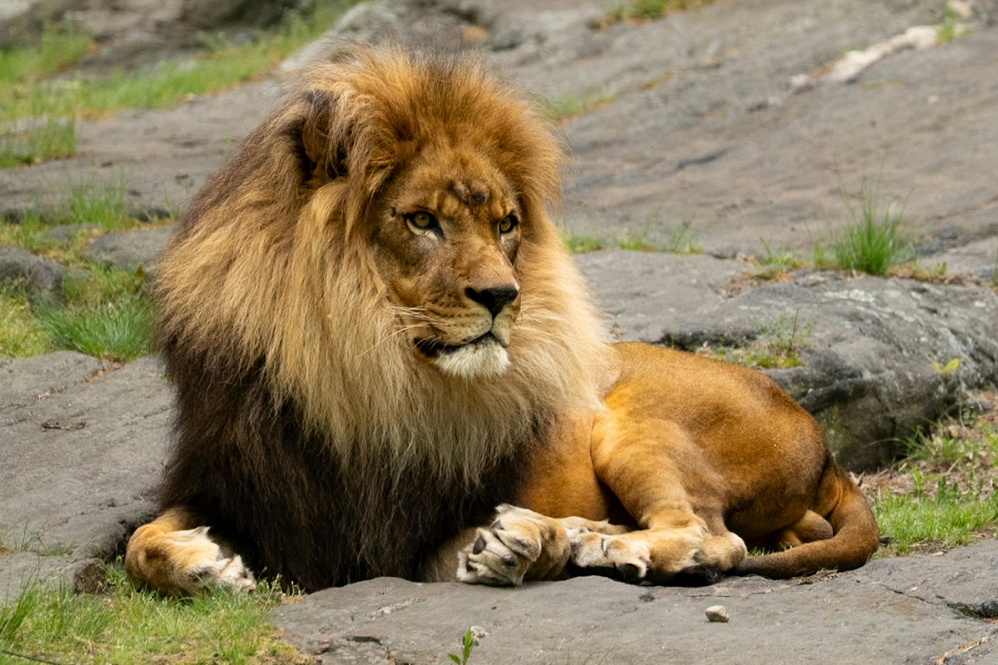
Lion Animal Guide Learn about lion diet,lifespan,behavior and whether lions can be pets.A complete and easy guide for beginners.
Introduction
The Lion is one of the most powerful,respected and widely recognized animals on Earth.It is often called the King of the Jungle,although it actually lives in grasslands and savannas rather than dense jungles.Lions symbolize strength,leadership and courage in many cultures around the world.
This Ultimate Lion Animal Guide provides a deep and detailed understanding of lions,including their diet,lifespan,behavior,habitat,reproduction,social structure and the most important question can lions be kept as pets or not?
What Is a Lion?
The Lion(Panthera leo)belongs to the Felidae family,which includes all big cats like tigers,leopards and jaguars.
Lions are large carnivorous mammals known for their:
- Powerful muscular bodies
- Sharp claws and teeth
- Social lifestyle(living in groups)
- Strong hunting abilities
They are mostly found in Africa,especially in savannas and grasslands.A small population of Asiatic lions lives in India’s Gir Forest.
Are Lions Pets or Wild Animals?
One of the most searched questions is:
“Can lions be pets?”
The simple and clear answer is:
Lions are wild animals,not pets.
Even if they look calm or friendly in some videos, lions are not domesticated.
Why Lions Are Wild Animals
The Lion has never gone through domestication like dogs or cats.Domestication takes thousands of years of selective breeding but lions have always remained wild predators.
They naturally have:
- Strong hunting instincts
- Territorial aggression
- Survival based behavior
- Powerful physical strength
Can Lions Be Raised as Pets?
Some people raise lion cubs in captivity but this does not make them pets.
At a young age:
- Lion cubs may appear friendly
- They can be handled by humans
- They may behave like large kittens
However,as they grow:
- Their strength increases massively
- Their instincts become dominant
- They become unpredictable and dangerous
Conclusion: A lion can never be a true domestic pet.
Why People Think Lions Can Be Pets
Many people are confused because of:
1. Social Media Videos
Videos often show lion cubs playing with humans,making people believe they are safe pets.
2. Movies and Entertainment
Films often show lions as friendly companions,which is misleading.
3. Exotic Animal Ownership
Some wealthy individuals keep lions in private enclosures, creating the illusion of pet ownership.
However,all of these situations ignore the natural behavior of lions.

What Happens When Lions Are Kept as Pets?
Keeping a Lion as a pet can lead to serious risks.
1. Rapid Physical Growth
A lion cub may weigh only a few kilograms at birth, but:
- Within 1 year becomes very strong
- Within 3 to 4 years: reaches full adult size
- Adult weight 120 to 250 kg
At this stage, control becomes extremely difficult.
2. Natural Hunting Instincts
Even if well fed, lions still:
- Chase moving objects
- Attack small animals
- React to instinct,not training
3. Unpredictable Behavior
Unlike dogs,lions:
- Do not fully trust humans
- May show sudden aggression
- Cannot be fully trained
4. Safety Risks
Many incidents show that captive lions can:
- Attack owners
- Injure handlers
- Escape enclosures
Even trained professionals use extreme caution around them.Types of Lions
There are mainly two recognized types:
1. African Lion
The most common type:
- Found in Africa
- Lives in large prides
- Strong social behavior
2. Asiatic Lion
- Found in India(Gir Forest)
- Smaller population
- Slightly smaller mane
Lion Lifespan
The lifespan of a Lion depends on environment and safety.
In the Wild
- Average lifespan: 10 to 14 years
- Many die early due to injuries or starvation
In Captivity
- Can live 15 to 20 years
- Better food and medical care extend life
Lion Diet What Do Lions Eat?
Lions are obligate carnivores,meaning they eat only meat.
Main Prey:
- Zebras
- Wildebeest
- Buffalo
- Antelope
- Wild boar
Hunting Strategy
Lions are intelligent hunters:
- Females hunt in groups
- They use teamwork
- They ambush prey instead of chasing long distances
Hunting usually happens at night or early morning.
Feeding Behavior
After a kill:
- Males eat first
- Females eat next
- Cubs eat last
A single lion can eat up to 7 to 10 kg of meat in one meal.
Lion Behavior
The behavior of a Lion is unique among big cats.
1. Social Structure(Pride System)
Lions are the only big cats that live in groups called prides.
A pride includes:
- 2 to 3 adult males
- Several females
- Cubs
Females usually stay in the same pride for life.
2. Territorial Behavior
Lions are extremely territorial:
- They mark territory using scent
- They roar to warn intruders
- They fight other males to protect land
A lion’s roar can be heard up to 8 km away.
3. Daily Activity
- Sleep 16 to 20 hours per day
- Active mostly at night
- Rest during hot daytime hours
4. Communication
Lions communicate using:
- Roaring
- Growling
- Facial expressions
- Body posture
Habitat of Lions
Lions prefer open environments such as:
- Grasslands
- Savannas
- Light forests
These areas help them:
- Hunt easily
- Move in groups
- Spot prey from distance
Reproduction and Life Cycle
Breeding
Lions can breed throughout the year.
Pregnancy
- Around 110 days
Cubs
- 2 to 4 cubs per litter
- Born blind and helpless
Growth
- Start eating meat at 3 months
- Learn hunting by 1 year
Are Lions Dangerous?
Yes,Lion is a top predator.
They can:
- Hunt large animals
- Defend territory aggressively
- Attack when threatened
Humans should never approach lions in the wild.
Should Lions Be Kept as Pets?
No Lions Are Not Pets
Even though some people try,lions are:
- Too strong
- Too unpredictable
- Too dangerous
Where Lions Belong:
- National parks
- Wildlife reserves
- Accredited zoos
Ethical Concerns
Keeping lions as pets causes:
- Stress for the animal
- Loss of natural behavior
- Poor living conditions in many cases
Wildlife experts strongly discourage it.
Importance of Lions in Nature
The Lion plays a key role in ecosystems:
- Controls herbivore populations
- Maintains ecological balance
- Supports biodiversity
Without lions,ecosystems can become unbalanced.
Interesting Facts About Lions
- Lions sleep up to 20 hours daily
- A roar can travel 8 km
- Lionesses do most of the hunting
- Cubs are raised together in groups
- Male lions protect territory,not hunt much
Conservation Status
Lions face threats like:
- Habitat loss
- Poaching
- Human conflict
Conservation efforts include:
- Protected reserves
- Wildlife laws
- Awareness programs
Conclusion
The Lion is a powerful,intelligent and social wild animal.While it may appear calm in some situations,it remains a natural predator with strong instincts.
In this Ultimate Lion Animal Guide,we explored:
- Diet
- Lifespan
- Behavior
- Habitat
- And the truth about lions as pets
Lions are not pets.They are wild animals that belong in natural habitats where they can live freely and safely
FAQs About Lion
1. Are lions pets or wild animals?
The Lion is a wild animal not a pet.Even if raised from a young age,it still keeps its natural hunting instincts and cannot be fully domesticated like dogs or cats.
2. Can lions be kept as pets at home?
No,lions cannot be safely kept as pets.They grow very large,need massive space,eat a lot of meat and can become dangerous as they mature.In most countries,keeping a lion at home is also illegal or heavily restricted.
3. What do lions eat?
Lions are carnivores.They mainly eat:
- Zebras
- Buffalo
- Wildebeest
- Antelope
- Sometimes smaller animals
They hunt in groups and rely on teamwork to catch prey.
4. How long do lions live?
Lions live:
- 10 to 14 years in the wild
- 15 to 20 years in captivity
Wild lions have shorter lifespans due to hunting injuries, food shortage and territorial fights.
5. Where do lions live?
Lions mostly live in:
- African savannas
- Grasslands
- Light forests
- In India,a small population lives in Gir Forest
They prefer open areas where hunting is easier.
6. Are lions dangerous to humans?
Yes,lions are powerful predators and can be dangerous if threatened or provoked.Although attacks are rare, humans should always maintain a safe distance from wild lions.
7. Do lions live alone or in groups?
Lions are unique big cats because they live in groups called prides.A pride usually includes:
- Related females
- Their cubs
- One or more males
8. Why is the lion called the King of the Jungle?
The Lion is called the“King of the Jungle”because of its strength,dominance and top position in the food chain,even though it actually lives in grasslands and savannas.
9. Can lions be trained like dogs?
No,Lions cannot be fully trained like dogs.They may learn some behaviors in captivity but their wild instincts always remain strong and unpredictable.
10. What is the biggest threat to lions today?
The biggest threats include:
- Habitat loss
- Poaching
- Human wildlife conflict
- Declining prey population
Conservation efforts are important to protect lion populations.
[…] Tiger(Panthera tigris)belongs to the Felidae family,which includes lions,leopards and domestic cats.It is the largest and strongest big cat in the […]