
 By Muntaha farid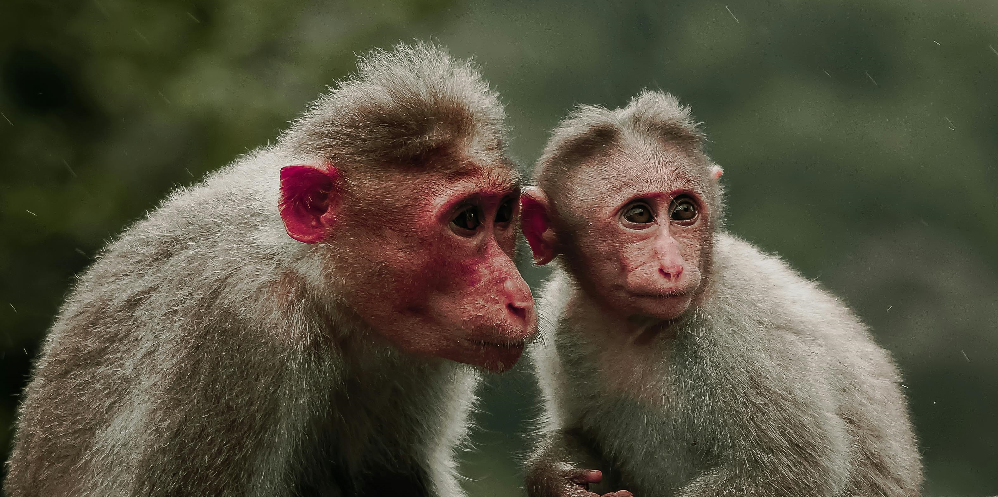
Monkey Animal Guide Learn about monkey diet,lifespan,behavior and whether monkeys can be pets.A complete and detailed guide for wildlife lovers.
Introduction
Monkeys are among the most intelligent, social, and entertaining animals on Earth.They are closely related to humans and are often studied because of their complex behavior,communication skills and emotional intelligence.
In this Ultimate Monkey Animal Guide,we will explore everything in detail about monkeys including their diet,lifespan,behavior,habitat,intelligence and the most important question can monkeys be kept as pets or not?
What Is a Monkey?
Monkeys are primates belonging to the order Primates,which also includes apes and humans.They are divided into two main groups:
- Old World Monkeys(Africa and Asia)
- New World Monkeys(South and Central America)
Monkeys are known for their:
- Strong social behavior
- High intelligence
- Ability to use tools(in some species)
- Long tails(in most species)
most monkeys have tails and are generally smaller in size.
Are Monkeys Pets or Wild Animals?
One of the most searched questions is “Can monkeys be pets?”
Monkeys Are Wild Animals
Monkeys are wild animals not domesticated pets.Even though they look cute and playful,they have complex needs and natural instincts that make them unsuitable for home environments.
Can Monkeys Be Kept as Pets?
Some people try to keep monkeys as pets but this is:
- Difficult
- Expensive
- Often illegal
- Risky for both humans and animals
Conclusion Monkeys are not suitable pets for most people.

Why People Think Monkeys Can Be Pets
There are several reasons why monkeys are sometimes considered pets:
- They look small and cute when young
- They are intelligent and playful
- Movies and social media show monkeys interacting with humans
- Some people keep them illegally as exotic pets
However,these reasons ignore the reality of their natural behavior.
Types of Monkeys
There are over 260 species of monkeys but they are mainly divided into two categories:
1. Old World Monkeys
These monkeys are found in:
- Africa
- Asia
Examples:
- Baboons
- Macaques
- Colobus monkeys
Characteristics:
- Narrow noses
- Strong social groups
- Mostly ground or tree dwellers
2. New World Monkeys
These monkeys are found in:
- Central America
- South America
Examples:
- Capuchins
- Howler monkeys
- Spider monkeys
Characteristics:
- Wide,flat noses
- Often have prehensile tails(can grab objects)
- Mostly live in trees
Monkey Lifespan
The lifespan of monkeys depends on species and environment.
In the Wild:
- Average lifespan: 10 to 25 years
- Threats include predators,disease and habitat loss
In Captivity:
- Can live 20 to 40 years depending on species
- Better food and medical care increase lifespan
Monkey Diet What Do Monkeys Eat?
Monkeys are omnivores,meaning they eat both plants and animals.
Main Foods:
- Fruits(bananas,berries,mangoes)
- Leaves
- Seeds and nuts
- Insects
- Small animals(in some species)
Feeding Behavior:
- Monkeys spend hours foraging daily
- They share food within groups
- Some species use tools to get food
Monkey Behavior
Monkey behavior is complex and very similar to human social behavior.
1. Social Structure
Monkeys live in groups called troops.A troop may include:
- Several males and females
- Their offspring
- A dominant leader
Social bonding is very important in monkey life.
2. Communication
Monkeys communicate using:
- Facial expressions
- Body movements
- Vocal sounds
- Grooming behavior
3. Intelligence
Monkeys are highly intelligent:
- Can solve problems
- Learn patterns
- Use simple tools
- Recognize individuals
4. Play Behavior
Young monkeys:
- Play with each other
- Practice climbing and jumping
- Learn survival skills
Monkey Habitat
Monkeys live in many environments:
- Rainforests
- Mountains
- Grasslands
- Urban areas(some species)
They prefer areas with:
- Trees for climbing
- Food availability
- Social group safety
Monkey Reproduction and Life Cycle
Breeding
- Most monkeys breed once or twice a year
Gestation Period
- Varies from 4 to 8 months depending on species
Offspring
- Usually 1 baby per birth
- Babies are highly dependent on mothers
Growth
- Learn social behavior early
- Stay with group for protection
Are Monkeys Dangerous?
Yes,monkeys can be unpredictable and sometimes dangerous.
They may:
- Bite if threatened
- Steal food
- Show aggressive behavior in groups
- Carry diseases in some cases
Always avoid provoking wild monkeys.
Can Monkeys Be Kept as Pets?
This is the most important question.
Why Monkeys Should NOT Be Pets
Even though they look cute,monkeys:
- Require complex social groups
- Can become aggressive with age
- Need special diets and environments
- May suffer mental stress in captivity
Legal Issues
In many countries, owning monkeys is:
- Illegal
- Restricted
- Requires special permits
Problems with Keeping Monkeys as Pets
1. Behavioral Issues
As monkeys grow:
- They become stronger
- They may bite or scratch
- They become less predictable
2. Emotional Needs
Monkeys are social animals:
- They need groups
- Isolation causes stress and depression
3. Care Difficulty
They require:
- Specialized diet
- Large space
- Veterinary care
- Constant attention
Final Verdict Monkeys are not suitable pets.
Monkey Intelligence Compared to Humans
Monkeys share many traits with humans:
- Emotional expressions
- Problem solving abilities
- Memory skills
- Social bonding
This is why they are often used in scientific research.
Importance of Monkeys in Ecosystem
Monkeys play an important role in nature:
- Spread seeds through fruit eating
- Help forest regeneration
- Maintain ecological balance
Without monkeys,forest ecosystems would be affected.
Interesting Facts About Monkeys
- Some monkeys can recognize themselves in mirrors
- Capuchin monkeys use tools like stones
- Howler monkeys are among the loudest animals in the world
- Monkeys groom each other to build relationships
- They can learn human gestures
Conservation Status
Many monkey species face threats:
- Deforestation
- Hunting
- Illegal pet trade
- Habitat loss
Conservation efforts focus on:
- Protecting forests
- Stopping wildlife trade
- Creating reserves
Conclusion
Monkeys are intelligent,emotional and highly social animals.They are closely related to humans and play an important role in nature.
In this Ultimate Monkey Animal Guide,we learned about their:
- Diet
- Lifespan
- Behavior
- Habitat
- And whether they can be pets
Monkeys are wild animals, not pets, and they should remain in their natural habitats where they can live freely and socially.
FAQs About Monkeys
1. Are monkeys pets or wild animals?
Monkeys are wild animals,not pets.The Monkey belongs to the primate family and has complex social and emotional needs that cannot be properly met in a home environment.
2. Can monkeys be kept as pets at home?
In most cases,no.Monkeys are not suitable for home environments because they need:
- Large social groups(troops)
- Special diets
- Constant mental stimulation
- Natural habitats like forests
Keeping them as pets is also illegal in many countries.
3. What do monkeys eat?
Monkeys are omnivores.Their diet includes:
- Fruits (bananas,mangoes,berries)
- Leaves and plants
- Seeds and nuts
- Insects
- Sometimes small animals(depending on species)
They spend most of their day searching for food.
4. How long do monkeys live?
The lifespan of a Monkey depends on species and environment:
- In the wild: 10 to 25 years
- In captivity: 20 to 40 years
Better care and protection increase their lifespan.
5. Are monkeys dangerous to humans?
Monkeys are not naturally dangerous but they can become aggressive if:
- They feel threatened
- They are fed improperly
- They live near humans for too long
They may bite,scratch or steal food in some situations.
6. Where do monkeys live?
Monkeys live in many habitats,including:
- Tropical rainforests
- Mountains
- Grasslands
- Forest edges
They prefer areas with trees for climbing and food availability.
7. Are monkeys intelligent?
Yes,monkeys are highly intelligent animals.The Monkey can:
- Solve simple problems
- Use tools in some species
- Communicate using sounds and gestures
- Learn from experience
8. Why do monkeys live in groups?
Monkeys live in groups called troops for:
- Protection from predators
- Social bonding
- Food sharing
- Raising young safely
9. Can monkeys recognize humans?
Yes, some monkeys can recognize familiar humans,especially if they interact regularly.However,this does not make them domesticated or safe pets.
10. What is the biggest threat to monkeys today?
The biggest threats include:
- Deforestation(loss of forests)
- Illegal pet trade
- Hunting in some regions
- Human wildlife conflict
Conservation efforts are important to protect monkey populations.
[…] Verdict Zebras are wild animals, not […]
[…] relaxing in hot springs,swimming peacefully or sitting comfortably beside dogs,cats,ducks and monkeys have made millions of people fall in love with them.Because of this growing popularity many animal […]