
 By Muntaha farid
Learn if a pet microchip is worth it. Discover benefits, costs, safety tips, and how dog and cat microchips help protect your pets.
Are Pet Microchips Worth It? Dog & Cat Owner’s Complete Guide
Picture your dog escaping the yard during a thunderstorm, or your house cat sneaking out the open door. Days turn into hours and even though you have searched your neighborhood, posted on social media and called local shelters, your beloved companion is nowhere to be found.
Now imagine that someone finds your pet and takes them to a nearby veterinary clinic. A vet scans a small device under your pet’s skin, pulls up an exclusive ID number and calls you back within minutes. That tiny device is a pet microchip, and for many pet owners it’s the difference between a heart-wrenching loss and a joyful reunion.
So, is it worth getting a pet microchip?
Yes, for most owners of dogs and cats. A microchip is one of the safest, most affordable and reliable methods to permanently identify your pet. Microchips are permanent and stay with your pet for life and can dramatically increase the chances of being reunited if they are lost, unlike collars and ID tags that can fall off or get damaged.
In this complete guide, you will learn about how a pet microchip works, the benefits of a dog microchip and cat microchip, costs, safety, registration and the best pet care practices to keep your furry family member safe.
What Is a Pet Microchipping?
A pet microchip is a small computer chip, about the same size as a grain of rice, that is placed under your pet’s skin, usually between the shoulder blades.
Each chip has its own identification number. When scanned by a veterinarian, animal shelter or rescue organization, this number links to your contact information in a secure registration database.
First thing to understand is that a pet microchip is not a GPS tracker. It can’t display a live location of your pet or track how they move. Instead, it provides a permanent identification that helps reunite lost pets with their owners.
The chip has no battery or moving parts and is meant to last your pet a lifetime with no maintenance or replacement needed.
What Is a Pet Microchip?
The process is easy, fast and very effective.
Step 1: Microchip Placement
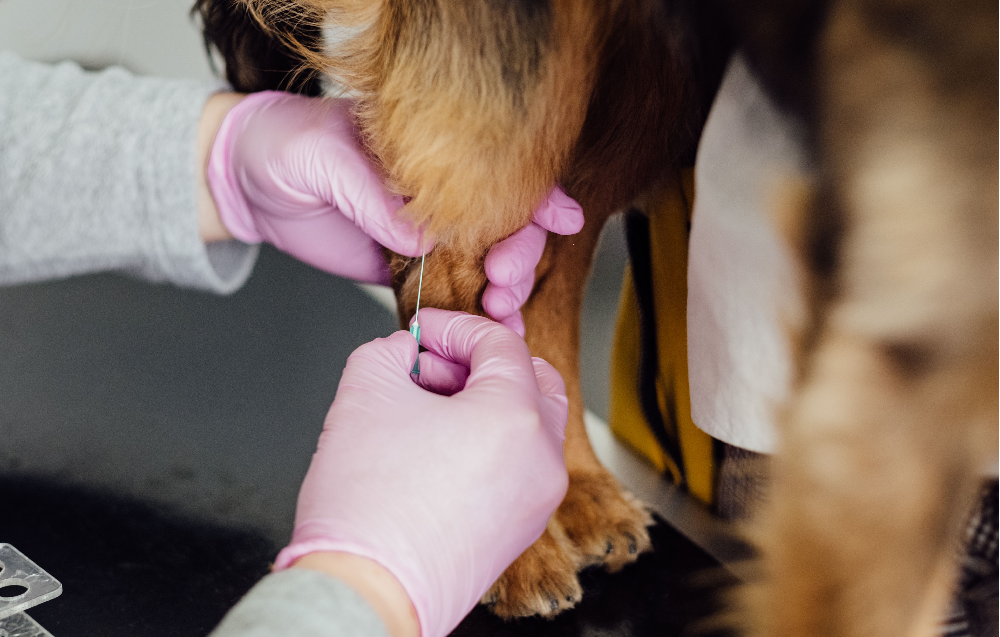
Your veterinarian will insert the microchip under your pet’s skin with a sterile needle. The procedure takes only a few seconds and is about as uncomfortable as a routine vaccination.
Step 2: Registering
Once implanted, you will register the chip with your contact information. This step is important because the chip itself only has a number that identifies the card, not your personal information.
Step 3: Recuperation
When your pet is found, a vet or shelter will scan the chip. Your registration information is compared to the unique ID number on the chip, which is read by the scanner. If your information changes, you will be contacted and reunited with your pet.
This simple process has helped millions of lost dogs and cats find their way back to families all over the world.
Are Pet Microchips Worth It?
Many pet owners hesitate and wonder if the procedure is really necessary, particularly if their pet is mostly indoors.
The reality is, accidents happen. Damaged fences or open gates can provide a way for dogs to escape, and even indoor cats can slip outside through an open window or door.
There are many important benefits of a pet microchip:
- Permanent identification that doesn’t get lost like a collar
- Higher likelihood of finding a lost pet.
- A quick, cheap, one-off procedure.
- No batteries, no charging, no monthly fees.
- Recognized by veterinarians and shelters in many countries.
- Peace of mind knowing your pet always has dependable identification.
Losing a pet can be an expensive experience both emotionally and financially, and microchipping is one of the best investments you can make in your pet’s safety.
Advantages of a Pet Microchip
Still on the fence about whether a pet microchip is worth the investment? Understanding the benefits can help you make a well-informed decision. No identification method is foolproof, but a microchip offers life-long protection that collars and tags can’t compete with.
1. permanent ID
Pet microchips are a permanent form of identification that won’t break or fall off like collars or ID tags. It gives a permanent identification that can be hard to lose or remove.
This is especially useful for adventurous pets that enjoy exploring outdoors.
2. Improves chances of getting your pet back
One of the greatest advantages of microchipping is that it increases the chances of being reunited with your lost pet.
When a lost pet is brought into a veterinary clinic or animal shelter, they will routinely scan the pet for a microchip. They’ll be able to reach you fast if your registration info is updated.
3. One-time investment
Unlike GPS trackers, which often require monthly subscription fees and require charging, a pet microchip is a one time procedure.
Once implanted and registered, it usually lasts your pet’s lifetime with no maintenance needed.
4. Promotes Responsible Pet Ownership
Microchipping is seen as a key part of responsible pet ownership. It supplements other safety measures, such as:
- Collar with identification tag
- Get vaccinated and stay up to date
- Vet checkups regularly
- Outdoor play with secure fencing and supervision
- “Re-call” dog training
These practices work together to keep your pet safe.
5. Assists in Ownership Verification
A registered microchip can help establish your ownership if your pet gets lost or stolen.
Your pet’s one-of-a-kind ID number can be connected to your contact info, which can make it easier to prove the pet is yours, though local laws may vary.
Why Every Dog Needs a Microchip on Their Dog
Dogs are naturally inquisitive and lively. Even a well-trained dog can run away if he gets frightened or distracted.
Some of the most common reasons dogs go missing are:
- Fireworks
- Thunderstorm
- Open Doors
- Broken fences
- Following the wild
- Family vacationing
- Noise from construction
- Buying a new house
A dog microchip offers permanent identification if your dog loses his collar or goes too far away from home.
Dog Microchip Benefits
- Permanent identification
- Helps to locate lost dogs and get them back to their owners
- Great for travel
- Vet Approved
- Easy, quick implantation
- No batteries or charging required
For active dogs that spend time outdoors, a dog microchip is one of the most valuable safety measures you can take.
Cat Microchip: Why Indoor Cats Need One Too
Many cat owners believe that indoor cats don’t need identification because they rarely leave the house.
Unfortunately, indoor cats can escape unexpectedly through the following:
- Open doors
- Windows
- Garages
- Balconies
- During home repairs
- While moving house
Once outside, indoor cats may become frightened and hide rather than return home.
A cat microchip provides permanent identification if someone finds your cat and takes them to a veterinary clinic or shelter.
Benefits of a Cat Microchip
- Permanent identification
- Cannot fall off like a collar
- Safe for kittens and adult cats
- Helps recover indoor and outdoor cats
- Lasts for life
- Supports responsible pet ownership
Even if your cat never leaves the house intentionally, a cat microchip offers valuable peace of mind.
Pet Microchip vs. GPS Tracker
Many pet owners ask whether they should choose a microchip or a GPS tracker.
The answer is simple they serve different purposes.
| Feature | Pet Microchip | GPS Tracker |
|---|---|---|
| Permanent Identification | Yes | No |
| Real-Time Location Tracking | No | Yes |
| Battery Required | No | Yes |
| Monthly Subscription | No | Often Yes |
| Lifetime Use | Yes | Depends on Device |
| Helps Shelters Identify Pets | Yes | No |
Which One Is Better?
Ideally, use both.
A GPS tracker helps you locate your pet quickly if they wander off, while a pet microchip provides permanent identification if the tracker is removed, damaged, or runs out of battery.
Is Microchipping Safe?
One of the biggest concerns among pet owners is whether microchipping is safe.
The answer is yes.
Veterinarians around the world have implanted millions of microchips in dogs and cats. The procedure is considered very safe and is performed every day in veterinary clinics and animal shelters.
What Happens During the Procedure?
The veterinarian inserts the microchip under the loose skin between your pet’s shoulder blades using a sterile applicator.
The process usually takes less than a minute and does not require surgery.
Most pets react just as they would during a routine vaccination.
Are There Any Side Effects?
Most pets experience no problems after being microchipped.
Some may have:
- Mild swelling
- Slight tenderness
- Temporary discomfort
- A small lump that disappears within a few days
Serious complications are rare.
If you notice persistent swelling, pain, or signs of infection, contact your veterinarian promptly.
How Much Does a Pet Microchip Cost?
The cost of a pet microchip depends on where you live and whether registration is included.
Typical Costs
| Country | Estimated Cost |
|---|---|
| United States | $25 to $70 |
| United Kingdom | £10 to £30 |
| Canada | CAD $30 to $80 |
| Australia | AUD $30 to $60 |
Some animal shelters and nonprofits host discounted or free microchipping events throughout the year.
The chip can protect your pet for life; it is one of the most cost-efficient investments in your pet’s safety.
Register Your Pet’s Microchip
But the chip implant is only the first step. Registration is just as important.
After your pet is microchipped you will need to register it with your contact information.
Commonly provided information is:
- Owner Name
- Phone
- Email address
- Residential address
- Emergency contact person
- Name of pet
- Breed,
- Age:
- Colour
Please update the registry in a timely manner if your contact information changes. If your pet is found, an outdated phone number or address can delay or prevent reunification.
Microchipping and Pet Care
In most cases, your pet can resume normal activity soon after the procedure but a few simple pet care tips can make for a smooth recovery.
Clean the Implant Area
Don’t rub or scratch around the implantation site too much the first day or two.
Check for a little swelling
A little swelling is normal and should go down within a few days.
Routine Checkup Appointments
Have your vet scan the microchip at your annual wellness exams to ensure it is still functioning properly.
Update Your Registration Information
If you move or change your phone number, be sure to update your microchip registration immediately.
Common Myths About Microchips for Pets
Myth: Microchips are GPS locators.
Fact: There is no live location tracking with a pet microchip. It has a unique ID number that can be scanned.
Myth: Microchipping is painful.
The truth is that most pets only experience a short period of discomfort, like an ordinary vaccination.
Myth: Indoor pets do not need microchips.
Fact: Even if they’re inside, pets can escape unexpectedly, so permanent identification is important.
Myth: The chip requires batteries.
Microchips do not contain a battery and never require charging.
What to Do If Your Pet Goes Missing?
Even with the best pet care, animals sometimes go missing. If your dog or cat goes missing, acting quickly can increase the chances of a safe reunion.
1. Reach out to the Microchip Registry
Report your missing pet to the registry where your pet microchip is registered. Many registries will allow you to flag your pet as lost so the shelter and veterinarians will be made aware when the microchip is scanned.
2. Alert Local Animal Shelters
Call near by:
- Animal Rescue Centers
- Vet clinics
- Animal control services
- Rescue groups
Keep your pet’s microchip number, a recent photo and your contact information handy.
3. Locate Your Area
Walk around where your pet was last seen. Bring treats, toys or a favorite blanket to coax them.
Look for places nearby where the cat may be hiding such as garages, sheds, bushes and under porches. Ask neighbors and delivery drivers if they have seen your dog.
4. Leverage Social Media
Post pictures and information about your pet on neighborhood Facebook groups, neighborhood apps and community forums. Include:
- Name of pet
- Breed,
- Colour and markings
- Last Seen Date & Location
- Your contact details
- Say that your pet is microchipped
5. Continue Looking
Many pets are reunited with owners days or weeks after going missing. Continue to check with shelters and update your online postings.
Pros and Cons of Microchipping Pets
Microchipping has advantages and limitations that every pet owner should understand.
Advantages
- Permanent identification
- Increases the chances of getting a lost pet back
- A safe, fast and minimally invasive procedure
- No batteries or charging needed
- One time cost, lifetime benefits
- Helps to confirm ownership
- Vets worldwide recommend
- Promotes responsible pet ownership
Cons
- No option to track via GPS
- Registration required for effectiveness
- Contact info needs to be up-to-date
- Only readable with a compatible scanner
A pet microchip isn’t a replacement for a collar or GPS tracker, but it’s an important part of your pet’s overall safety plan.
Should I Get My Pet Microchipped?
Laws on microchipping vary by location.
UK
Dogs in the UK are legally required to be microchipped. Newer regulations also require pet cats in England to be microchipped before a specified age. The rules can vary between England, Scotland, Wales and Northern Ireland, so check the latest rules for your part of the UK.
U.S.
There is no federal law requiring all animals to be microchipped. But many animal shelters, rescue groups, breeders and local governments highly recommend or require microchipping before adoption.
Whether or not it is required by law, veterinarians strongly recommend microchipping as part of responsible pet care.
Final Verdict: Should You Get a Pet Microchip?
So, is it worth getting a pet microchip?
The answer is yes for almost every dog and cat owner.
A pet microchip is a permanent identification tool that significantly increases the chances of you being reunited with your lost pet. It’s a fast, safe, inexpensive procedure that requires virtually no maintenance.
Whether you own a lively Labrador, a playful Golden Retriever, a curious British Shorthair or a rescue cat, microchipping is one of the most responsible decisions you can make.
A dog microchip or cat microchip is not a GPS tracker but it is a reliable form of permanent identification. Along with good pet care, a collar with ID tag and regular visits to the vet, it gives your furry friend the best protection possible.
If your pet is not microchipped, talk to your veterinarian. What you do today in a few minutes can make all the difference should your beloved companion ever get lost.
Frequently Asked Questions
Can a pet microchip go bad?
Today’s microchips are built to last for the lifetime of your pet. Have the vet scan the chip during annual checkups to make sure it’s still working.
Can a microchip of a pet move?
Sometimes a microchip will shift a bit under the skin. This is usually harmless and veterinarians are trained to scan the surrounding area to find it.
Does my pet require a collar and microchip?
Yes. A collar with an ID tag gives instant visual identification, and a pet microchip serves as a permanent backup should the collar be lost.
Can I update my microchip information?
Yes. You must update your registration when you change your:
- Sent to
- Phone
- Email address
- Emergency contact person
To make a reunion successful, it is important to keep your information current.
What Age Should Puppies and Kittens Be Microchipped?
Most vets recommend microchipping puppies and kittens at about 6 to 8 weeks of age, but pets can be microchipped at any age.
Will it hurt?
The process is fast and the pain is minimal and temporary, much like a routine shot.
Dog & Cat Pet Care Tips To Keep Your Pets Safe
One of the best ways to identify your pet is with a pet microchip, but this works best when used together with good pet care habits.
- Keep your pet’s vaccinations current.
- See the vet for regular checkups.
- Put a secure collar on with an ID tag.
- Dependable recall commands to train your dog.
- Keep cats indoors or supervise outdoor time when you can.
- Inspect gates and fences regularly.
- Travel with a secure carrier.
- Keep your microchip registration up-to-date.
- Take your dog to your vet for yearly wellness visits and have the chip scanned.
- Regular exercise, enrichment and a balanced diet.
These simple steps can help minimize the risk of your pet getting lost.
Key Takeaways
- A pet microchip offers permanent identification.
- It doesn’t provide real-time GPS tracking.
- The microchipping process for dogs and cats is quick and safe.
- Registration is important. Please keep your contact details up to date.
- Best protection is a microchip and ID tag, and good pet care practices.
- We do yearly veterinary scans to make sure the chip remains readable.