
 By Muntaha farid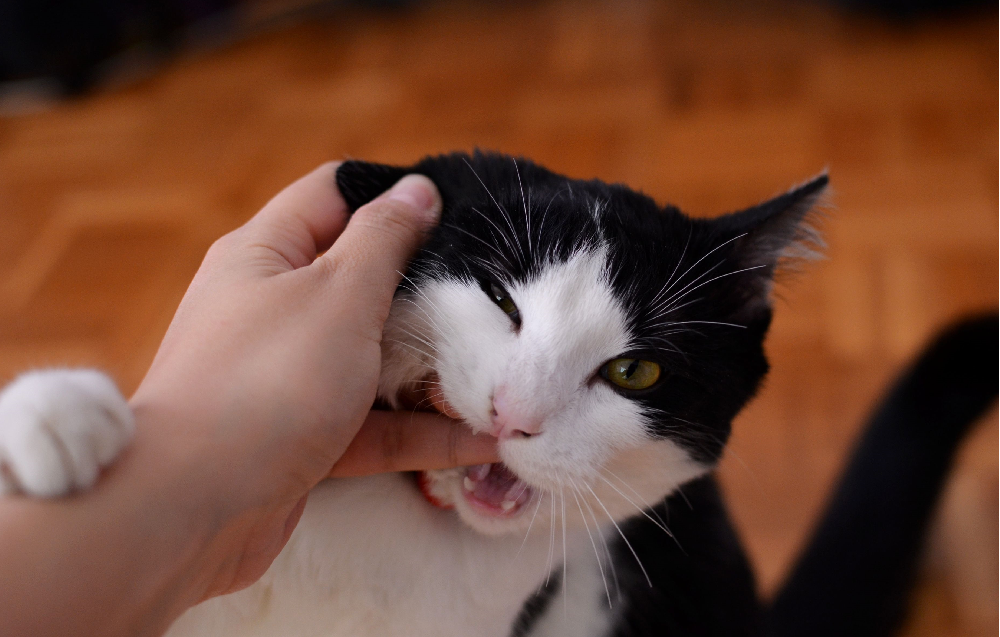
Learn how to stop kitten from biting hands with gentle cat training tips. Improve kitten behavior and pet care with simple, proven methods.
Introduction
Bringing home a playful kitten is one of life’s greatest joys. Their tiny paws, curious personalities, and endless energy make every day exciting. However, many new cat owners quickly discover one common challenge kitten biting.
If you’ve been searching for how to stop kitten from biting hands, you’re not alone. Nearly every kitten goes through a biting phase during the first several months of life. While those tiny teeth may seem harmless now, allowing this behavior to continue can lead to painful scratches, stronger bites, and unwanted habits that persist into adulthood.
The good news is that kitten biting is usually a normal part of kitten behavior, not a sign that your pet is aggressive. Most kittens bite because they’re exploring the world, learning boundaries, teething, or trying to play. With the right cat training techniques and consistent pet care, you can teach your kitten that human hands are for gentle affection not chewing.
This comprehensive guide explains why kittens bite, how to respond correctly, and the most effective methods veterinarians and feline behavior experts recommend to stop the habit.
Why Do Kittens Bite Hands?
The first step in solving the problem is understanding kitten behavior.
Kittens lack human-like hands for investigating their surroundings. Instead they use their mouths and their paws . Biting in the first few months of life is just a normal part of growing up.
Some common reasons are:
- Teething ache.
- Instincts for natural hunting
- Excitement in the game
- Curious
- Over stimulation
- Socialization gap
- Boredom
- Extra energy
Most kittens don’t know that their bites hurt people. In fact if they were reared with littermates they would learn ‘bite inhibition’ naturally through play. If one kitten bites too hard, the other squeals and quits playing.
Unfortunately, kittens who are separated from their litter before five weeks of age often miss out on this important lesson.
Is Biting Normal in Kittens?
Yes.
Usually, healthy kittens between 8 weeks and 7 months of age will bite when playing.
This behavior is especially noticeable when:
- Morning zooms.
- Evening games
- Stages of Teething
- Games interactive
- exploring
Normal playful biting usually consists of:
drooping ears drooping ears drooping ears drooping ears drooping ears drooping ears
Loose body’s posture Loose body’s posture Loose body’s posture Loose body’s posture Loose body’s posture
Held Tail natural Held Tail natural Held Tail natural Held Tail natural
No hissing. No hissing. No hissing.
no growling at all no growling at all
Swift playful pounces
These playful bites are rarely aggressive. Rather, it is your kitten’s way of saying:
“Let’s play!
or:
“I want attention.
Before you start any cat training program, it’s important to understand the difference.
Understanding Kitten Behavior Before Training
Many owners tend to encourage biting, often inadvertently.
It’s like waving your fingers in front of a hyperactive predator that naturally preys on anything that moves.
Suddenly your hand becomes to your kitty:
- mouse
- A bird
- A toy.
- Something to chase that’s fun
Each time you play-fight with your kitten using bare hands you are teaching it that it is okay to bite people.
That’s why behavioral specialists recommend never using your hands as toys.
Your hands should, instead, represent only:
- Feeding
- Gentle stroking
- Grooming
- Safety & Security
- Reassurance
This one simple tweak makes a big difference in kitten behavior over time.
How to Tell Playful Biting From Aggressive Biting
Not all bites are the same.
Understanding the difference will help you to choose the correct response.
| Playful Biting | Aggressive Biting |
|---|---|
| Soft bites | Hard bites |
| Relaxed body | Stiff posture |
| No growling | Growling or hissing |
| Tail relaxed | Tail puffed up |
| Returns to playing | Continues attacking |
| Ears forward | Ears flattened |
If your kitten is just playing with your fingers, the behavior is usually correctable with patience and proper cat training.
Aggressive biting, however, should be evaluated by a veterinarian or a feline behavior specialist.
Why Your Hands Become the Favorite Target
Many owners ask:
My kitten bites my hands more than she bites toys. Why is this?
The answer is simple.
Your hands:
- Keep wandering around.
- Smells familiar.
- Offer interactivity.
- Trigger hunt instinct.
- If bitten, act.
Funny enough, pulling your hand away quickly tends to make things worse.
Suddenly you are prey running away to your kitten.
That triggers its natural chase instinct.
By training ‘don’t bite’ you are actually reinforcing the behavior with a fun game.
The Importance of Early Cat Training
Start cat training sooner rather than later, and it’s easier to develop good habits.
Young kittens are sponges. They learn quickly through repetition and positive experiences.
Teaching gentle play in the first few months can prevent long-term behaviour problems and build a stronger bond between you and your pet. Early training also encourages better pet care since it reduces the risk of scratches, infections and stress for both you and your kitten.
The focus is on consistency, not punishment. All household members need to be on the same page about not playing with your hands, redirecting bites to toys, and rewarding calm behavior. Sending mixed signals can confuse a kitten and slow it down.
In time your kitten will learn that toys are for biting and hands are for affection and trust.
How Environment Affects Kitten Behavior
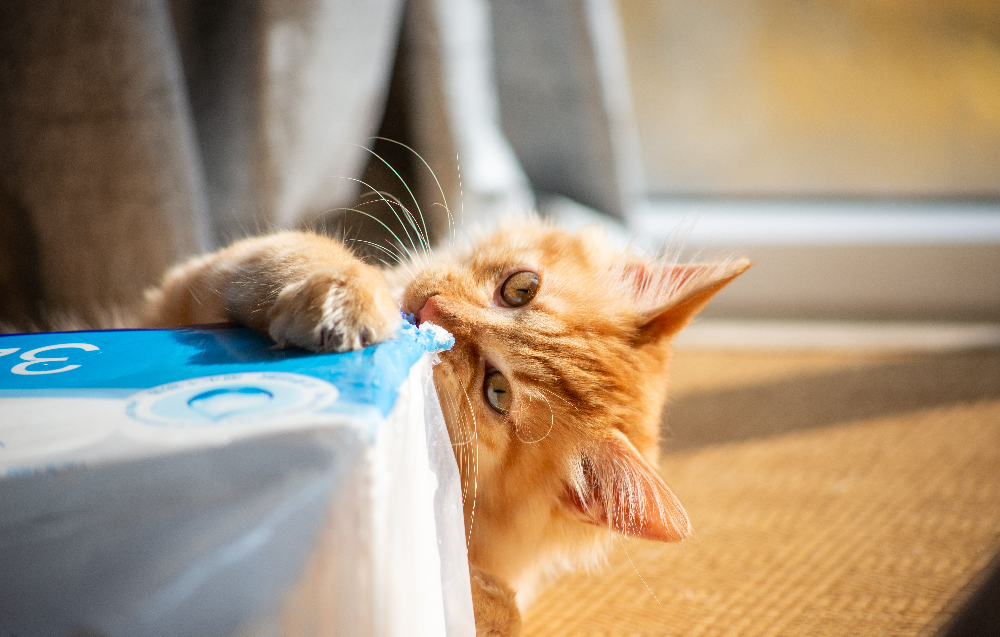
The kitten’s environment has a big impact on its behavior. A restricted or unstimulating environment can lead to boredom, frustration and increased biting.
Set up an environment that meets their natural instincts and encourages healthy kitten behaviors:
- Interactive toys: Wand toys, balls and puzzle feeders help channel hunting energy
- Scratching posts: These give kittens the chance to stretch, scratch and mark territory properly.
- Cat trees and shelves provide exercise and confidence building opportunities.
- Safe places: Warm beds or covered spaces help kittens to calm down when they are feeling overwhelmed.
- Daily play sessions: Aim for two or three 10 to 15 minute play sessions each day to help burn off excess energy.
A mentally and physically stimulated kitten is usually more relaxed and less likely to think of your hands as the most interesting “toy” in the house.
15 Proven Ways to Stop Kitten From Biting Hands
Now that you know why kittens bite, the next step is to teach them what they should bite instead. Now that you know why kittens bite, the next step is to teach them what they should bite instead. The secret to successful cat training is patience, consistency and positive reinforcement. The secret to successful cat training is patience, consistency and positive reinforcement. Remember your kitten is not being deliberately naughty, it is just learning how to interact with the world. Remember your kitten is not being deliberately naughty, it is just learning how to interact with the world.
1. Stop Using Your Hands as Toys
Many new cat owners make the biggest mistake of encouraging rough play with their hands.
It may seem cute to wiggle your fingers or wrestle with your kitten, but it teaches them that human skin is an acceptable target.
Rather,
- Use feather wands.
- Try toy mice
- Soft plush toys for sale
- use balls that roll on the ground
Your hands should only be tied to:
- Gentle stroking
- Feeding
- Grooming
- Reassurance
- Faith
This simple change reduces biting, often within weeks.
2. Redirect Every Bite to a Toy
If your kitten bites your hand, calmly exchange it for an appropriate toy.
For instance:
- Toys Kicker
- Toys made of rope
- Stuffed mice
- Interactive wand toys
- Balls Crinkle
“Consistency is everything.
With every bite you get a toy, not another chance to bite your fingers.
Your kitten learns fast:
Toy = nice
Hands = not cool
3. End Play Immediately After a Bite
Kittens learn by consequences.
If biting always ends the fun, they will quickly learn that biting does not get them what they want.
On biting:
- Keep calm.
- Say “Ouch!” in a calm, firm voice.
- Slowly take your hand away.
- Get up and ignore your kitten for 30-60 sec .
Don’t yell at or chase your kitten.
The short pause teaches that soft play continues the game, biting ends it.
4. Reward Gentle Behavior
One of the best ways to train your cat is with positive reinforcement.
When your kitten:
- Bite Free Plays
- Stab wounds, not bites.
- Paws touch gently
- Good response to play
Give them the reward of:
- Praise
- Gentle stroking
- Healthy snacks
- Another fun playtime!
Your kitten will begin to repeat behaviours that are rewarded.
5. Schedule Daily Interactive Play Sessions
A lot of biting problems come from kittens having too much energy.
Aim to have 2 to 3 interactive play sessions each day lasting 10 to 15 minutes.
Good activities are:
- Feather wand games
- Laser pointer play (end with a toy they can catch)
- Toy mice
- Chasing a ball
- Puzzles toys
A bored, tired kitten is much less likely to attack your hands.
6. Help Your Teething Kitten
Kittens will start losing their baby teeth and growing adult teeth between the ages of 3 and 6 months.
Chewing helps relieve sore gums during this phase.
Provide safe chewing options like:
- Rubber Cat Toys
- Plush toys soft
- Cat safe chew toys
- Silicone Cat Teethers For Kitten
Don’t let your kitten chew on:
- Electric wires.
- Plastic bag
- Human fingers,
- Strings
- Hair Bands
- Toxic house plants
Giving them the right chew toys promotes good pet care and protects your hands.
7. Learn the Signs of Overstimulation
Kittens may bite because they’ve had enough attention.
Be alert to warning signs such as:
- Rapid tail twitching.
- Ripple on skin Down the back
- Ears laid back
- Dilated eyes
- Swishing tail.
- Sudden body tension
If you notice these signals, stop petting your kitten and give them space to calm down.
Respecting their boundaries also builds trust and reduces defensive biting.
8. Never Punish Your Kitten Physically
Physical punishment doesn’t teach the lesson you want.
Do not:
- Hitting
- Twitch nose
- Spray Water
- Shouting
- Scruffing
- Shoving your kitten back
Punishment can make kittens fearful or anxious which can increase unwanted behaviors rather than decrease them.
A lot better to gently guide and be consistent.
9. Encourage Independent Play
Your kitten should not be fighting with your hands .
Have a range of toys including:
- Puzzle feeders
- cat tunnels.
- Ball tracking
- Cat trees.
- Stuffed toys
- Electronic toys that interact
Rotate toys every few days to keep them interesting and stimulating.
10. Teach Bite Inhibition
If your kitten bites too hard when playing:
- Say “Ouch!” softly
- Pause for a moment and freeze your hand.
- Exit the game for a moment.
- Later, play with a toy again.
It’s like litter mates telling each other, “If you bite too hard, the fun stops.
As your kitten grows older, it will learn to control the pressure of its bite.
11. Keep a Consistent Routine
Cats love routine.
Try to feed, play and rest at the same time each day.
Stress and excess energy can be factors in biting, and a predictable schedule can help to reduce it.
A simple daily routine could be as follows:
| Time | Activity |
|---|---|
| Morning | Play session + breakfast |
| Midday | Independent toys + nap |
| Evening | Interactive play |
| Night | Dinner + quiet cuddle time |
Consistency is one of the easiest ways to improve your kitten’s behavior.
12. Gently Socialize Your Kitten
A kitten’s early months set the tone for its confidence as an adult the more positive experiences it has during this time, the more confident it will be.
Introduce your kitten gradually to:
- Various people
- Sounds of the home
- New toys
- Tender Treatment
- Safe carriers for travel
Generally, a well-socialized kitten is more relaxed and less prone to biting out of fear.
13. Make Your Home Enriching
Environmental enrichment decreases boredom and promotes healthy behaviors.
Considering adding:
- Window perch for bird watching
- Climbing equipment
- Scratching posts
- Cardboard boxes.
- Paper bags (no handles)
- Food puzzles
A fun environment is good for your mental and physical health, so biting is less ideal.
14. Patience and consistency
It takes time to change behavior.
Some kittens will get better within a few days, some may take a few weeks or even a few months.
Don’t change your training methods every few days.
Continue with the same approach so your kitten can clearly understand what you expect.
Remember that each gentle interaction reinforces the habits you want to see.
15. When to Call Your Veterinarian
Most kitten biting is normal, but some situations warrant a professional’s attention.
If your kitten: Call your veterinarian if:
- Bites without any apparent cause
- Pain from touch
- Suddenly turns aggressive
- Often growls or hisses at family members
- Ceases to eat or drink
- Looks unwell or weary
- Has injuries or dental problems
- Persistent severe biting despite regular training
Medical issues, pain, or anxiety can sometimes lead to unusual behavior, so it’s important to rule out health problems.
Mistakes to Avoid When Training Your Cat
Biting can even be inadvertently reinforced by well-meaning owners. Here are some common mistakes to avoid:
Handling things a little roughly
Hands are not toys. This is confusing and encourages biting.
Inconsistent Rules
If one family member discourages biting but another allows it your kitten will be confused.
Rewarding Attention For Biting
If you laugh and pull your hand away quickly or keep on playing, biting can seem rewarding.
Daily Play Skipping
Kittens who don’t receive enough exercise and mental stimulation may invent their own games—usually involving your hands or ankles.
Anticipating Immediate Results
Behavior change requires repetition. Stick with it and celebrate the small victories.
How long will it take to stop kitten biting?
Every kitten is different, but many owners see progress within 2 to 6 weeks of consistent cat training and good pet care. The younger the kittens are, the quicker they learn, especially when all the family members are on the same training track.
Conclusion
Patience and consistency are key when teaching a kitten how to stop biting hands, and understanding natural kitten behavior is also important. Most kittens bite because they are playful, curious and teething, not aggressive.
Instead, give your kitten suitable toys to play with, and reward gentle play as well as providing regular exercise and mental stimulation, to help your kitten learn good habits that will stay with them into adulthood.
Remember that all kittens learn at their own pace. Stay calm, don’t get punished, and celebrate the small wins. Your kitten will eventually learn to associate your hands with comfort, affection and trust, rather than play fighting.
A little work today can mean years of happy companionship with a well-mannered cat.
FAQ (Frequently Asked Questions)
Why is my kitten biting my hands all the time?
The most common reason is just normal kitten behavior. Kittens use their mouths to explore the world and play to develop their hunting skills. They may also bite because they are teething, bored, overstimulated or trying to get your attention. Most kittens learn to play gently with consistent cat training.
When Do Kittens Stop Being Biters?
Most kittens will naturally bite less between the ages of 6 and 12 months.
Without the proper cat training, however, some cats may continue rough play into their adult years.
It makes a big difference to train them early.
Can I Let My Kitten Bite My Fingers?
No.
Even mild play-biting teaches your kitten that human hands are toys.
Rather,
- Provide chew toys.
- Wand toys, interactive.
- Every Bite Counts
- Reward good behavior.
Can I Say “No” to My Kitten?
Yes, but keep calm and steady.
Instead of yelling:
- Say “No” quietly.
- Drop your hand.
- End play 1 min
- Go to a toy.
Your actions speak louder than voices.
Does teething make babies bite more?
Yes, indeed.
Most kittens start teething around 3 months and finish by 6 months.
During this period:
- Gums become tender.
- Improved Mastication
- The play biting is happening more often.
“Safe chew toys can help relieve discomfort.”
Can Spray Bottles Prevent Biting?
No.
Most veterinarians and feline behavior experts do not recommend spray bottles, as they teach fear instead of the desired behavior. Positive reinforcement and redirection work so much better for long term success
Why Does My Kitten Bite Me and Not Other People?
Your kitten might think of you as its favorite playmate. If you have ever played with your hands, your kitten may have learned that biting you is a fun time. To change this behavior, regular training and replacing hands with toys are recommended.
When Should I Worry About Biting?
If your kitten needs veterinary advice:
- After he gets aggressive.
- Bites, random.
- Often growls or hisses.
- Shows signs of sickness or pain.
- Will stop eating or drinking.
- Has dental problems or bad gums.
These signs might be a sign of a medical or behavioral problem that requires professional attention.
How to Stop Kitten Biting: Quick Tips
Short on time? Here’s what to remember:
- Don’t play with your hands.
- Immediately redirect bites to a toy.
- End play on a bite.
- Reward quiet and gentle behavior.
- Schedule interactive play every day.
- Offer safe chew toys when babies are teething.
- Don’t shout. Don’t penalize.
- Get into a regular routine.
- Make your kitten’s environment richer.
- Patience, training takes time.
Practicing these simple habits consistently can go a long way improving kitten behavior.
[…] place where they can relax without being disturbed. A dog cage becomes their private retreat during stressful situations such as loud thunderstorms, fireworks or busy family […]