
 By Muntaha farid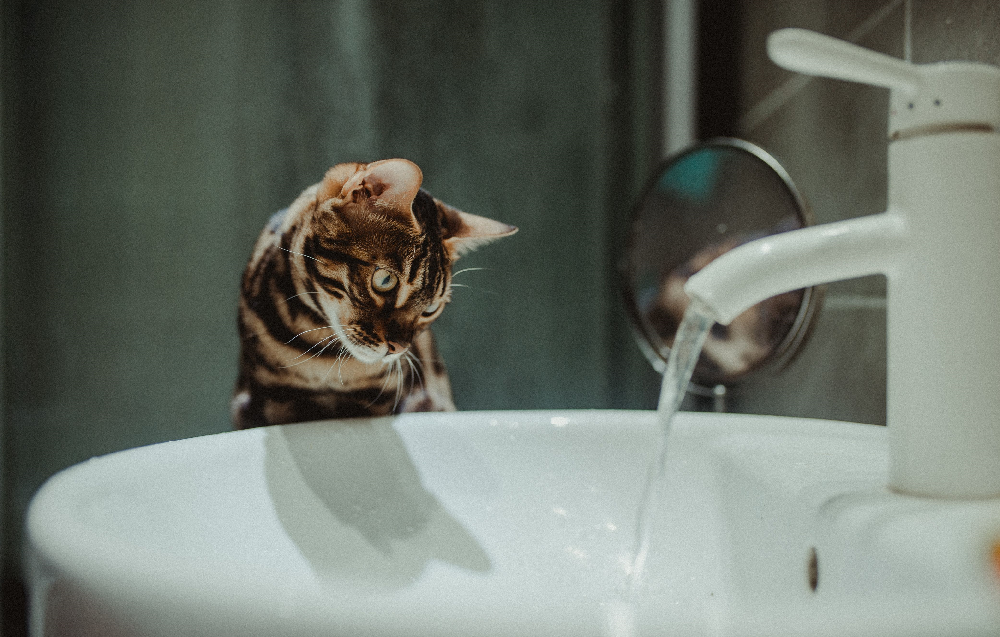
Discover the top benefits of cat water fountain, from better hydration to improved kidney health. Learn why every cat owner should consider one.
Introduction
Have you ever noticed your cat ignoring its water bowl but eagerly drinking from a running faucet? If so, you’re not alone. Many cats naturally prefer moving water because, in the wild, flowing water is usually fresher and safer than stagnant water. This instinct remains strong even in domesticated cats.
One of the easiest ways to encourage your feline friend to drink more water is by using a pet water fountain. Modern cat water fountains continuously circulate and filter water, making it cleaner, fresher, and more appealing. As a result, many veterinarians recommend them for improving feline hydration and supporting long-term health.
In this guide, we’ll explore the benefits of cat water fountain, explain why cats love running water, compare fountains with traditional bowls, and help you decide whether a cat fountain is worth the investment.
Whether you have a playful kitten, an active adult cat, or a senior feline, understanding the benefits of cat water fountain can help you make a healthier choice for your pet.
What Is a Cat Water Fountain?
A cat water fountain is an automatic drinking system designed to keep water moving continuously. Unlike a regular bowl, a fountain circulates water through a pump and usually passes it through a filter that removes dirt, fur, and other impurities.
Most models include:
- A quiet electric pump
- Activated carbon filter
- Water reservoir
- Flowing waterfall or bubbling stream
- Replaceable filter cartridges
Because the water is always moving, it stays fresher and often tastes better to cats.
Why Do Cats Prefer Running Water?
Cats evolved from desert-dwelling ancestors that relied on moisture-rich prey rather than drinking large amounts of water. In nature, stagnant water could contain bacteria, parasites, or other contaminants. Flowing water, on the other hand, was generally safer.
Although house cats live in a completely different environment, this natural instinct remains.
Common reasons cats prefer running water include:
- Moving water catches their attention.
- Running water smells and tastes fresher.
- Flowing water contains more oxygen than stagnant water.
- Many cats enjoy the sound of trickling water.
- Curiosity encourages them to investigate moving objects.
This explains why some cats drink from sinks, bathtubs, or even dripping faucets instead of their water bowls.
Benefits of Cat Water Fountain
The benefits of cat water fountain go far beyond convenience. From encouraging hydration to supporting urinary and kidney health, these devices can significantly improve your cat’s daily life.
Let’s explore the most important advantages.
1. Encourages Better Hydration
One of the biggest benefits of cat water fountain is that it encourages cats to drink more water.
Many cats simply don’t drink enough from still water bowls. Unfortunately, dehydration is surprisingly common among indoor cats, especially those that eat mostly dry kibble.
Running water naturally attracts cats, making them more likely to stop and drink throughout the day.
Signs your cat may not be drinking enough include:
- Dry gums
- Lethargy
- Dark yellow urine
- Constipation
- Loss of appetite
Increasing water intake helps your cat stay properly hydrated, which supports every major organ in the body.
Why Hydration Matters
Proper hydration helps:
- Regulate body temperature
- Improve digestion
- Transport nutrients
- Flush toxins
- Maintain healthy joints
- Support healthy circulation
Even a small increase in daily water consumption can make a noticeable difference over time.
2. Supports Kidney Health
Another important benefit of cat water fountain is improved kidney function.
Kidney disease is one of the most common health problems in older cats. Although a water fountain cannot prevent kidney disease entirely, drinking more water reduces strain on the kidneys.
Healthy hydration allows the kidneys to:
- Filter waste efficiently
- Remove toxins
- Balance minerals
- Maintain proper blood pressure
Cats with chronic kidney disease often benefit from every opportunity to increase water intake.
Veterinarians frequently recommend combining a moisture-rich diet with fresh flowing water for senior cats.
3. Helps Prevent Urinary Tract Problems
One of the lesser-known benefits of cat water fountain is its positive effect on urinary health.
Cats that don’t drink enough water produce concentrated urine. This increases the risk of:
- Urinary crystals
- Bladder inflammation
- Urinary tract infections (UTIs)
- Blockages
- Painful urination
Diluted urine is much healthier because it flushes bacteria and minerals from the urinary tract.
Male cats are particularly vulnerable to urinary blockages, making adequate hydration especially important.
4. Keeps Water Cleaner for Longer
Unlike a traditional bowl that quickly collects dust, fur, food crumbs, and saliva, a fountain continuously circulates and filters the water.
Most fountains include:
- Activated carbon filters
- Foam filters
- Multi-stage filtration systems
These filters help remove:
- Hair
- Dust
- Food particles
- Bad odors
- Unpleasant tastes
Cleaner water encourages more frequent drinking while reducing the need to replace water multiple times a day.
5. Reduces Bacteria Growth
Standing water becomes a breeding ground for bacteria much faster than moving water.
Although no fountain eliminates bacteria completely, continuous circulation helps slow bacterial buildup between cleanings.
This creates a fresher drinking experience for your cat and reduces unpleasant smells that can develop in neglected bowls.
However, remember that every fountain still needs regular cleaning to remain hygienic.
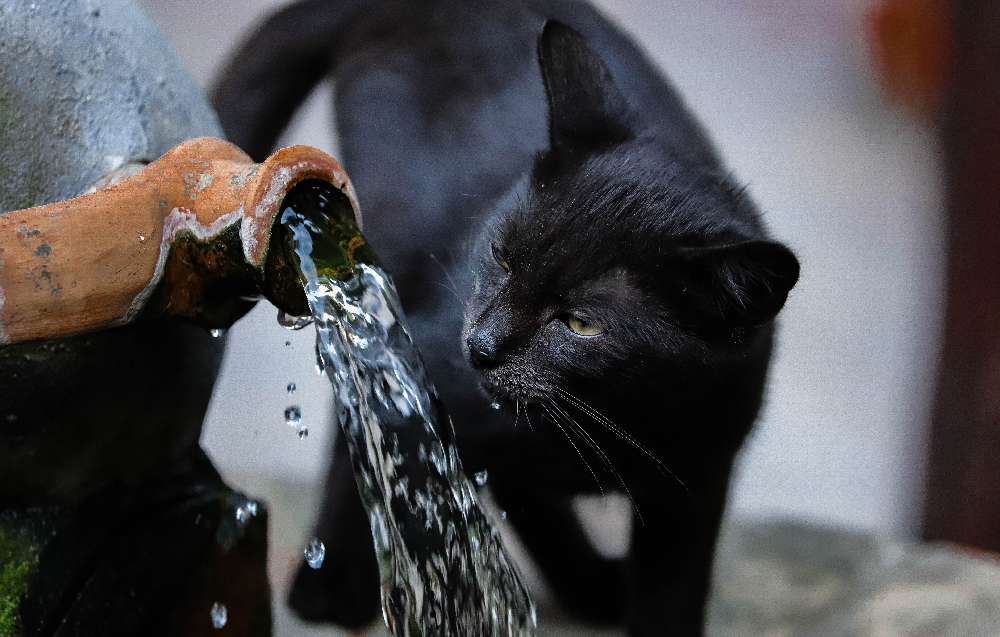
6. Improves Water Taste and Freshness
Another major benefit of cat water fountain is that it keeps water tasting fresh throughout the day.
Water left sitting in a bowl gradually collects dust, loose fur, food particles, and even bacteria. It can also become stale, especially in warm weather. Many cats are surprisingly sensitive to these changes and may refuse to drink from an old bowl.
A cat water fountain constantly circulates water through a filter, helping maintain a fresher taste and cleaner appearance.
Fresh Water Encourages Healthy Drinking Habits
Cats are more likely to drink when the water:
- Looks clean and clear
- Smells fresh
- Is cool and oxygenated
- Is free from floating debris
This simple improvement can significantly increase your cat’s daily water intake.
7. Reduces Whisker Fatigue
Many cat owners don’t realize that deep or narrow bowls can irritate a cat’s whiskers.
A cat’s whiskers are highly sensitive sensory tools. When they repeatedly rub against the sides of a bowl, some cats experience discomfort known as whisker fatigue.
Many modern cat water fountains are designed with:
- Wide drinking surfaces
- Shallow water areas
- Easy access from multiple angles
These features allow cats to drink comfortably without pressing their whiskers against the edges.
Signs of Whisker Fatigue
Your cat may experience whisker fatigue if it:
- Drinks only from the edge of the bowl
- Frequently paws at the water
- Prefers drinking from faucets
- Appears hesitant around deep bowls
A well-designed fountain can solve these issues while making drinking more enjoyable.
8. Encourages Exercise and Mental Stimulation
Cats are naturally curious animals.
The movement of flowing water captures their attention and stimulates their hunting instincts.
Many cats enjoy:
- Watching the moving stream
- Pawing at the water
- Exploring different flow settings
- Listening to the gentle trickling sound
Although a fountain isn’t a replacement for toys or playtime, it adds a small source of daily enrichment, especially for indoor cats.
9. Ideal for Multi-Cat Households
If you have more than one cat, a fountain can make sharing water much easier.
Traditional bowls become dirty quickly when multiple cats use them. Water levels also drop faster, requiring frequent refills.
Larger fountains offer several advantages:
- Bigger water reservoirs
- Multiple drinking areas
- Continuous circulation
- Cleaner water for longer periods
This reduces competition between cats and ensures fresh water is available throughout the day.
Benefits for Multi-Cat Homes
- Less frequent refilling
- Cleaner shared water
- Reduced territorial behavior around bowls
- Better hydration for every cat
10. Saves Time for Cat Owners
One of the overlooked benefits of cat water fountain is convenience.
Instead of changing the water several times a day, most fountains can hold enough water for multiple days, depending on your household and the fountain’s capacity.
While you’ll still need to clean the fountain regularly and replace filters according to the manufacturer’s recommendations, day-to-day maintenance is often easier than managing multiple bowls.
Cat Water Fountain vs Water Bowl
Many new pet owners wonder whether a fountain is really better than a regular bowl.
Here’s a comparison:
| Feature | Cat Water Fountain | Traditional Water Bowl |
|---|---|---|
| Water movement | Continuous | Still water |
| Water freshness | Excellent | Declines quickly |
| Filtration | Yes (most models) | No |
| Encourages drinking | Excellent | Moderate |
| Hygiene | Better with proper cleaning | Requires frequent changes |
| Capacity | Large | Small |
| Maintenance | Weekly cleaning and filter changes | Daily washing and refilling |
| Best for | Indoor cats, senior cats, multi-cat homes | Occasional or travel use |
Overall, a fountain offers several health and convenience advantages, particularly for cats that don’t naturally drink enough water.
Are Cat Water Fountains Worth It?
For many households, the answer is yes.
If your cat:
- Rarely drinks water
- Eats mostly dry food
- Has experienced urinary issues
- Is a senior cat
- Lives indoors
- Shares water with other cats
then a water fountain can be a worthwhile investment.
The combination of moving water, filtration, and increased appeal often encourages healthier drinking habits.
How to Choose the Best Cat Water Fountain
Not all fountains are created equal. Consider these features before buying.
Material
Choose a fountain made from:
- Stainless steel (durable and hygienic)
- Ceramic (heavy and easy to clean)
- BPA-free plastic (budget-friendly but should be cleaned thoroughly)
Many veterinarians favor stainless steel because it resists scratches where bacteria can accumulate.
Capacity
Select a size based on the number of pets in your home.
| Number of Cats | Recommended Capacity |
|---|---|
| 1 cat | 1.5 to 2 liters |
| 2 cats | 2 to 3 liters |
| 3 or more cats | 3 liters or larger |
Quiet Pump
Cats can be startled by loud noises.
Look for fountains that advertise:
- Ultra-quiet operation
- Low-noise water flow
- Energy-efficient pumps
A quieter fountain is also more pleasant for you if it’s placed in a living area or bedroom.
Filtration System
A high-quality fountain should include:
- Activated carbon filter
- Foam pre-filter
- Multi-stage filtration
These help remove:
- Hair
- Food debris
- Sediment
- Unpleasant odors
Remember to replace filters according to the manufacturer’s instructions to keep the water clean.
Easy Cleaning
Choose a fountain with:
- Simple assembly
- Dishwasher-safe parts (when available)
- Easy-to-access pump
- Smooth surfaces with minimal crevices
The easier it is to clean, the more likely you’ll keep it in excellent condition.
How to Introduce Your Cat to a Water Fountain
Some cats start using a fountain immediately, while others need a little time to adjust.
Helpful Tips
- Place the fountain near your cat’s usual water bowl.
- Let your cat investigate it without pressure.
- Keep the old bowl available for a few days.
- Avoid forcing your cat to drink.
- Clean the fountain regularly so the water stays fresh.
- Praise your cat when it uses the fountain naturally.
Most cats adapt within several days, though some may take a bit longer.
Common Mistakes to Avoid
To get the full benefits of cat water fountain, avoid these common errors:
Forgetting to Clean the Fountain
Filters reduce debris but don’t eliminate the need for cleaning. Wash the fountain and pump regularly according to the manufacturer’s recommendations.
Ignoring Filter Replacement
An old filter can’t remove impurities effectively. Replace filters on schedule to maintain water quality.
Letting the Water Level Get Too Low
Running the pump without enough water can shorten its lifespan and increase noise.
Choosing the Wrong Size
A fountain that’s too small may require constant refilling, while one that’s too large may not fit your available space.
Placing It Near the Litter Box
Cats generally prefer their food and water to be kept away from their litter area. Position the fountain in a quiet, clean location to encourage regular drinking.
Conclusion
The benefits of cat water fountain go far beyond simply providing a stylish water bowl. A quality fountain encourages healthy drinking habits, supports kidney and urinary health, keeps water cleaner, and makes hydration more appealing for cats of all ages.
Whether you have a curious kitten, an energetic adult cat, or a senior companion, investing in a cat water fountain can be a simple yet effective way to improve your pet’s overall well-being.
To get the most from your fountain:
- Choose a high-quality model made from safe materials.
- Keep it clean and replace filters regularly.
- Place it in a quiet, comfortable location away from the litter box.
- Monitor your cat’s drinking habits, especially if you notice sudden changes.
Small improvements in daily hydration can have lasting health benefits. Combined with a balanced diet, regular veterinary checkups, and a stress-free environment, a cat water fountain can become an important part of your cat’s daily routine.
Frequently Asked Questions (FAQs)
Do cats really drink more water from a fountain?
Yes, many cats drink more from a fountain because they are naturally attracted to moving water. The continuous flow keeps the water fresh and encourages frequent drinking, making this one of the biggest benefits of cat water fountain.
Are cat water fountains safe?
Yes. High-quality cat water fountains are designed specifically for pets and are generally safe when used according to the manufacturer’s instructions. Choose a model made from BPA-free plastic, stainless steel, or ceramic, and clean it regularly.
How often should I clean a cat water fountain?
For the best hygiene:
- Wash the fountain every 2 to 3 days
- Deep clean the pump once a week
- Replace the filter every 2 to 4 weeks (or as recommended by the manufacturer)
Regular cleaning helps maintain water quality and extends the life of the fountain.
Is a stainless steel fountain better than plastic?
In many cases, yes.
Stainless steel fountains are:
- More durable
- Easier to sanitize
- Resistant to scratches
- Less likely to harbor bacteria
Plastic fountains are more affordable, but they should be cleaned thoroughly to prevent bacteria buildup.
Can kittens use a water fountain?
Absolutely. Most kittens quickly adapt to pet fountains and enjoy playing with the moving water. Just choose a fountain with a gentle flow that’s appropriate for smaller pets.
Do water fountains help cats with kidney disease?
A fountain cannot cure kidney disease, but one of the major benefits of cat water fountain is encouraging increased water intake. Better hydration supports kidney function and is often recommended by veterinarians as part of a broader care plan.
Can multiple cats share one fountain?
Yes. Many fountains are designed for multi-cat households and have larger reservoirs with multiple drinking areas, making them convenient for homes with more than one cat.