
 By Muntaha farid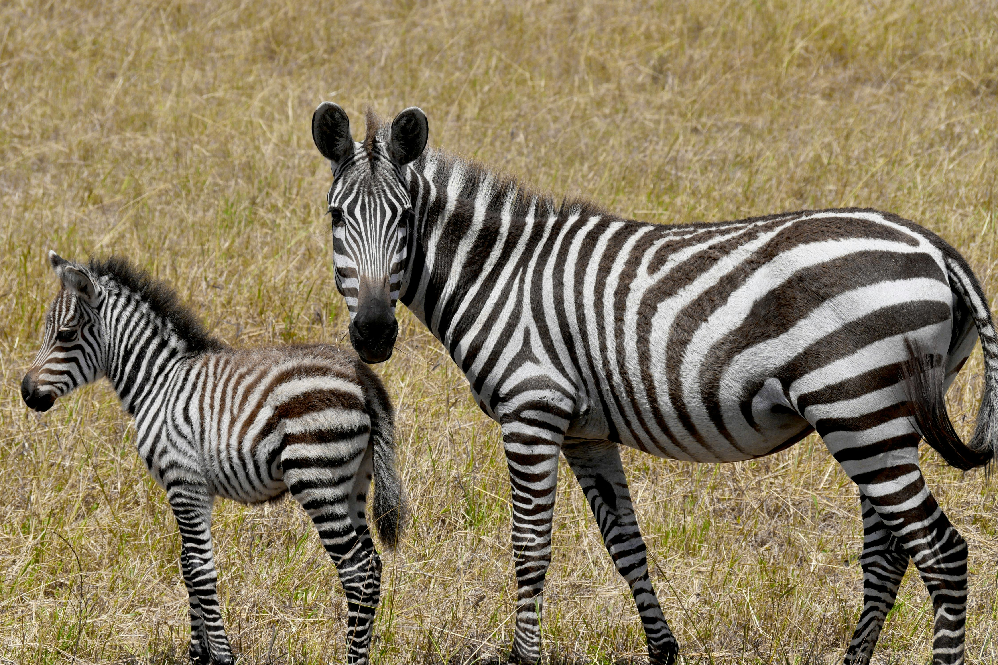
Zebra Animal Guide Learn about zebra diet,lifespan,behavior and whether zebras can be pets.A complete and detailed guide for beginners.
Introduction
The Zebra is one of the most recognizable animals on Earth,famous for its bold black and white stripes.Beyond its striking appearance,the zebra is a highly social,intelligent and adaptive herbivore that plays a crucial role in African ecosystems.
What Is a Zebra?
The Zebra belongs to the Equidae family,which also includes horses and donkeys.Despite this close relationship,zebras differ significantly in behavior and temperament.
Scientific Classification:
- Kingdom Animalia
- Class Mammalia
- Order Perissodactyla
- Family Equidae
Physical Characteristics:
- Distinctive black and white stripes
- Strong, muscular body
- Long face and upright mane
- Tail with a tuft of hair at the end
Each zebra has a unique stripe pattern,just like a human fingerprint.
Types of Zebras
There are three main species of zebras, each with unique characteristics:
1. Plains Zebra(Equus quagga)
This is the most common zebra species.
Key Features:
- Wide stripes
- Found in large herds
- Highly adaptable
Habitat:
- Grasslands and savannas of eastern and southern Africa
2. Mountain Zebra(Equus zebra)
Key Features:
- Narrow stripes
- White belly
- Dewlap under the neck
Habitat:
- Mountainous and rocky regions
They are excellent climbers compared to other zebras.
3. Grevy’s Zebra(Equus grevyi)
Key Features:
- Narrow,closely spaced stripes
- Larger ears
- More horse like appearance
Conservation Status:
- Endangered
Habitat:
- Northern Kenya and Ethiopia

Are Zebras Pets or Wild Animals?
This is one of the most common questions
“Can zebras be pets?”
Zebras Are Wild Animals
The Zebra is a wild animal,not a domesticated one.
Even though zebras look similar to horses,they have never been domesticated.Horses were domesticated thousands of years ago but zebras resisted domestication due to their aggressive nature.
Can Zebras Be Kept as Pets?
Technically,zebras can be kept in captivity, but they are not suitable pets.
Detailed Reasons:
1. Aggressive Nature
Zebras are more aggressive than horses.They can:
- Bite
- Kick
- Attack when threatened
2. Unpredictable Behavior
Unlike horses,zebras:
- Do not trust humans easily
- React suddenly
- Cannot be fully trained
3. Strong Defense Mechanism
A zebra’s kick is powerful enough to:
- Break bones
- Injure predators like lions
4. Space Requirements
Zebras need:
- Large open areas
- Access to grazing land
- Freedom to move in herds
Final Verdict Zebras are wild animals, not pets.
Zebra Lifespan
The lifespan of a Zebra depends on living conditions.
In the Wild:
- Average: 20 to 25 years
- Challenges include:
- Predators(lions,hyenas)
- Food scarcity
- Diseases
In Captivity:
- Can live up to 30 years
- Better food and medical care improve survival
Zebra Diet What Do Zebras Eat?
Zebras are herbivores,meaning they eat plant based food.
Main Diet Components:
1. Grass(Primary Food)
Zebras mainly eat grass.They can digest:
- Tough, dry grass
- Low quality vegetation
2. Leaves and Shrubs
When grass is scarce,zebras eat:
- Leaves
- Bark
- Bushes
Feeding Behavior
- Zebras graze for many hours daily
- They move continuously to find fresh grass
- They often graze alongside other animals like wildebeest
Unique Digestive System
Zebras have a digestive system that allows them to:
- Process poor quality food
- Eat large quantities quickly
This gives them an advantage in harsh environments.
Zebra Behavior
The behavior of a Zebra is complex and fascinating.
1. Social Structure(Herd System)
Zebras live in herds which provide safety and companionship.
Types of Herds:
- Family groups(one male+females+young)
- Bachelor groups(young males)
2. Leadership and Protection
- One dominant male(stallion)leads the group
- He protects the herd from predators
3. Communication
Zebras communicate using:
- Sounds(barking,braying)
- Facial expressions
- Ear positioning
- Tail movement
4. Defense Behavior
When threatened zebras:
- Run at high speed(up to 65 km/h)
- Stay in groups
- Kick and bite attackers
5. Migration Behavior
Some zebras migrate long distances to:
- Find food
- Access water
This migration is one of the largest wildlife movements in Africa.
Why Do Zebras Have Stripes?
Scientists have studied zebra stripes for many years.
1. Predator Confusion
When zebras move in groups:
- Stripes create visual confusion
- Predators struggle to focus on one target
2. Temperature Control
Black and white stripes:
- Absorb and reflect heat differently
- Help regulate body temperature
3. Insect Protection
Research shows stripes may:
- Reduce bites from flies
- Protect against parasites
4. Social Recognition
Zebras can recognize each other by stripe patterns.
Zebra Habitat
Zebras live in:
- Grasslands
- Savannas
- Open woodlands
Habitat Requirements:
- Access to water
- Open visibility
- Grazing land; bReproduction and Life Cyclel
Breeding Behavior
Zebras can breed year round.
Gestation Period
- About 12 to 13 months
Birth of Foals
- Usually 1 foal is born
- Foals can:
- Stand within minutes
- Walk within hours
Growth and Development
- Stay close to mother
- Learn survival skills early
- Recognize mother by stripes
Are Zebras Dangerous?
Yes,the Zebra can be dangerous.
Reasons:
- Strong kick
- Sharp teeth
- Defensive behavior
Even experienced handlers are cautious around zebras.
Differences Between Zebras and Horses
| Feature | Zebra | Horse |
|---|---|---|
| Domestication | Wild | Domesticated |
| Behavior | Aggressive | Trainable |
| Use | Not for riding | Riding & work |
| Temperament | Unpredictable | Calm |
Should You Keep a Zebra as a Pet?
Not Recommended
Zebras:
- Cannot be trained easily
- Require large space
- Can be dangerous
Suitable Environment:
- Wildlife reserves
- National parks
- Zoos
Importance of Zebras in Ecosystem
The Zebra plays a vital role:
- Controls grass growth
- Supports other grazers
- Provides food for predators
Conservation Status
Zebras face threats such as:
- Habitat loss
- Hunting
- Climate change
Some species like Grevy’s zebra are endangered.
Interesting Facts About Zebras
- Every zebra has unique stripes
- They can run at 65 km/h
- They sleep standing up
- They have strong memory
- They are highly social animals
Conclusion
The Zebra is a fascinating and important animal in the wild.Its stripes,social behavior and survival skills make it unique among mammals.
In this Ultimate Zebra Animal Guide,we explored:
- Diet
- Lifespan
- Behavior
- Habitat
- Pet suitability
Zebras are wild animals not pets and they should live freely in nature.
FAQs About Zebras
1. Are zebras pets or wild animals?
The Zebra is a wild animal, not a pet.Even though zebras belong to the same family as horses,they have never been domesticated and still have strong survival instincts.
2. Can zebras be kept as pets?
No, zebras are not suitable pets. They are difficult to train can be aggressive and require large open spaces.In many places,keeping a zebra is also restricted or requires special permission.
3. What do zebras eat?
Zebras are herbivores and mainly eat:
- Grass (their primary food)
- Leaves
- Shrubs
- Bark
They spend many hours grazing every day.
4. How long do zebras live?
The lifespan of a Zebra is:
- 20 to 25 years in the wild
- Up to 30 years in captivity
5. Why do zebras have stripes?
Zebra stripes serve multiple purposes:
- Confuse predators
- Help regulate body temperature
- Protect against insect bites
- Help zebras recognize each other
6. Are zebras dangerous?
Yes, zebras can be dangerous.They may:
- Kick with strong force
- Bite if threatened
- Act aggressively to protect themselves
7. Where do zebras live?
Zebras live mainly in:
- African savannas
- Grasslands
- Open woodlands
They prefer areas with plenty of grass and water.
8. Can zebras run fast?
Yes,zebras are fast runners.They can reach speeds of up to 65 km/h,which helps them escape predators.
9. Do zebras live alone or in groups?
Zebras are social animals and live in groups called herds.Living in groups helps them stay safe from predators.
10. What is the biggest threat to zebras?
The biggest threats to zebras include:
- Habitat loss
- Hunting
- Climate change
- Human wildlife conflict