
 By Muntaha farid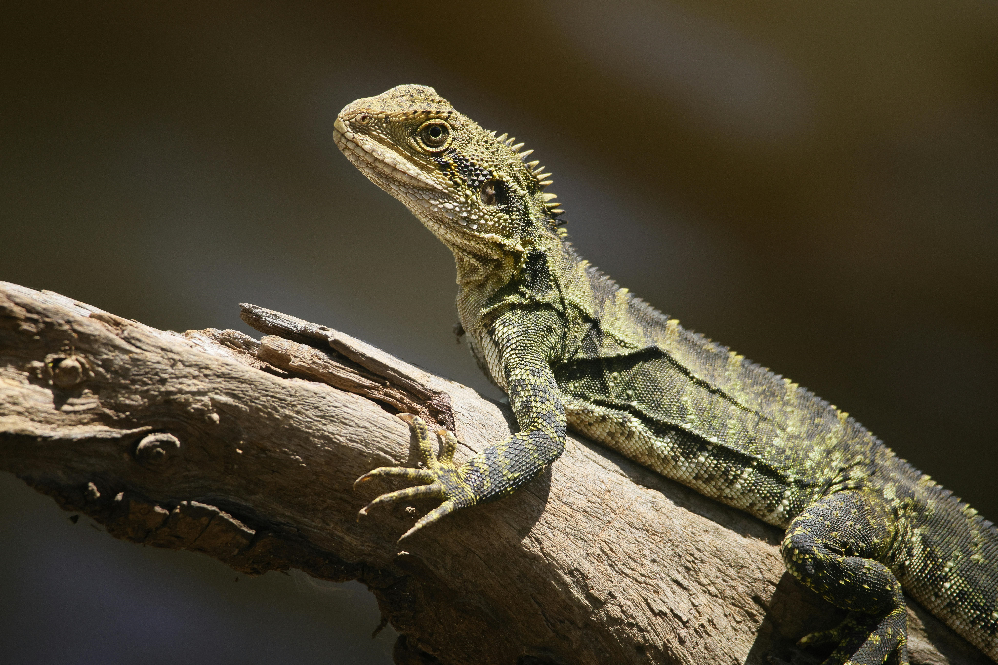
Discover everything about dragon lizards including types like Komodo dragon and bearded dragon their habitat,diet,behavior,lifespan and care in this detailed guide.
Introduction
The term Dragon Lizard may sound mythical but in reality,it refers to several fascinating reptiles that resemble dragons in appearance,behavior or size.These lizards are among the most unique and diverse reptiles on Earth,ranging from small,colorful species to massive predators.
Some dragon lizards, like the Komodo Dragon are powerful hunters,while others like the Bearded Dragon are popular pets known for their calm nature.
What Is a Dragon Lizard?
A Dragon Lizard is not a single species but a general term used to describe lizards that have dragon like features such as
- Spiky scales
- Large size
- Aggressive appearance
- Unique behaviors
These lizards belong to the order Squamata which includes all lizards and snakes.
Types of Dragon Lizards
There are several species commonly referred to as dragon lizards.
1. Komodo Dragon
The Komodo Dragon is the largest lizard in the world.
Key Features
- Length Up to 10 feet
- Weight Over 150 pounds
- Habitat Indonesian islands
- Diet Large mammals,carrion
It is a powerful predator with venom and sharp teeth.
2. Bearded Dragon
The Bearded Dragon is one of the most popular pet lizards.
Key Features
- Size 18 to 24 inches
- Calm temperament
- Expands“beard”when threatened
3. Frilled Lizard
The Frilled Lizard is known for its dramatic neck frill.
Key Features
- Expands frill when scared
- Runs on two legs
- Native to Australia
4. Chinese Water Dragon
The Chinese Water Dragon is a semi aquatic lizard.
Key Features
- Bright green color
- Excellent swimmer
- Arboreal lifestyle
5. Flying Dragon(Draco Lizard)
The Draco lizard can glide through the air.
Key Features:
- Wing like flaps
- Glides between trees
- Found in Southeast Asia

Physical Characteristics of Dragon Lizard
Dragon lizards vary greatly but they share several common traits.
1. Size and Body Structure
Dragon lizards can range from a few inches to over 10 feet long.Larger species like the Komodo Dragon have strong, muscular bodies.
2. Skin and Scales
Most dragon lizards have rough, scaly skin that may include
- Spikes
- Ridges
- Frills
These features provide protection and intimidation.
3. Coloration
Dragon lizards come in many colors
- Brown and gray(camouflage)
- Bright green(forest species)
- Yellow and orange(display)
4. Limbs and Movement
Most species have strong limbs for climbing and running.Some can
- Climb trees
- Swim
- Glide
Habitat and Distribution
Dragon lizards are found in many parts of the world.
Common Habitats
- Forests
- Deserts
- Grasslands
- Tropical jungles
- Coastal areas
Geographic Locations
- Asia (Indonesia,China,India)
- Australia
- Africa(some species)
Each species adapts to its environment in unique ways.
Behavior and Lifestyle
1. Daily Activity
Dragon lizards can be
- Diurnal(active during the day)
- Nocturnal(active at night)
2. Defense Mechanisms
Different species use different strategies
- Expanding frills
- Puffing up body
- Changing color
- Running away quickly
3. Intelligence
Some dragon lizards,especially the Komodo Dragon,show advanced hunting strategies and memory.
Diet and Feeding Habits
Dragon lizards are mostly carnivorous or omnivorous.
Common Diet
- Insects
- Small animals
- Birds
- Fruits(in some species)
Hunting Techniques
- Ambush hunting
- Active chasing
- Scavenging(Komodo dragon)
Reproduction and Life Cycle
1. Egg Laying
Most dragon lizards lay eggs.
- Clutch size varies by species
- Eggs hatch after several weeks
2. Growth
Young lizards grow quickly and become independent early.
3. Lifespan
- Small species 5 to 10 years
- Larger species 20 to 30 years
Are Dragon Lizards Dangerous?
It depends on the species.
- Komodo Dragon Dangerous predator
- Bearded Dragon Harmless and friendly
Most dragon lizards are not dangerous to humans.
Dragon Lizard as a Pet
Some dragon lizards are popular pets.
Best Pet Species
- Bearded Dragon
- Chinese Water Dragon
Care Requirements
- Proper enclosure
- Heat and UV lighting
- Balanced diet
- Regular cleaning
Challenges
- Temperature control
- Space requirements
- Long term care
Ecological Importance
Dragon lizards play important roles in ecosystems.
Key Roles
- Control insect populations
- Maintain food chain balance
- Serve as prey for larger animals
Conservation Status
Some dragon lizards face threats such as
- Habitat loss
- Climate change
- Illegal trade
The Komodo Dragon is classified as vulnerable.
Interesting Facts About Dragon Lizard
- Komodo dragons can smell prey miles away
- Some lizards can run on water or glide
- Bearded dragons wave their arms to communicate
- Frilled lizards run on two legs
- Many can change color
Myths and Misconceptions
Myth 1: All Dragon Lizards Are Dangerous
Reality Most are harmless.
Myth 2: They Breathe Fire
Reality That’s only in myths.
Myth 3: They Are Rare
Reality Many species are common.
Conclusion
The Dragon Lizard represents a diverse and fascinating group of reptiles that range from gentle pets to powerful predators.Their unique features,behaviors and adaptability make them one of the most interesting animals in the reptile world.
Understanding dragon lizards helps us appreciate their role in nature and encourages conservation efforts to protect their habitats.
FAQs About Dragon Lizard
1. What is a dragon lizard?
It refers to lizards with dragon like features not a single species.
2. Are dragon lizards dangerous?
Only some species like Komodo dragons are dangerous.
3. Can dragon lizards be pets?
Yes,species like bearded dragons are popular pets.
4. What do dragon lizards eat?
They eat insects,animals and sometimes plants.
5. Where are dragon lizards found?
They are found in Asia,Australia and other regions.